
How to Choose a Wine Bag for Picnics
- Jeanine Lum

- Jul 17
- 6 min read
A picnic bottle has a short journey from kitchen counter to first pour, but it can encounter more heat, motion, and direct sun than it would during a long, carefully planned dinner. The right wine bag for picnics does more than make a bottle easier to carry. It helps protect the temperature, condition, and anticipation built into the wine you chose.
That matters whether you are opening a chilled rosé beside the water, bringing Champagne to a concert lawn, or pouring a favorite Pinot Noir under a canopy of trees. A thoughtfully packed bottle arrives ready to be enjoyed, not hurried into recovery after baking in the backseat.
A Picnic Is Not a Cellar
Wine is remarkably resilient when handled with reasonable care, but a warm afternoon can test its limits quickly. A bottle left in a parked car, carried across an exposed beach, or tucked into an uninsulated tote absorbs ambient heat. Once the wine gets too warm, the experience changes. Whites and sparkling wines lose their crisp edge. Rosés can taste broad and muted. Even reds intended to be served cool may feel heavy and alcoholic.
The practical concern is not chasing laboratory-perfect temperatures during every outing. It is reducing unnecessary heat exposure and avoiding sharp swings that leave a bottle far from its intended character. For premium wine, that is a small act of respect for the winemaker and for the occasion.
A standard canvas wine tote can be handsome, but it offers little thermal protection. A generic cooler may hold ice, yet it can be bulky, damp, and poorly organized for glass bottles. A picnic-ready wine carrier should bridge the gap: polished enough to bring to a gathering, structured enough to protect the bottle, and insulated enough to maintain a more stable environment along the way.
What a Wine Bag for Picnics Should Do
The best choice depends on how you picnic. A couple walking to a local park have different needs than a family setting up at the beach for the day. Still, several features consistently make a meaningful difference.
Keep the Cooling Close to the Bottle
Insulation is the starting point, but the way cooling is positioned matters just as much. Loose ice packs or bags of ice tend to shift, leaving parts of the bottle exposed while creating condensation and clutter. Look for a system that keeps cooling close to the bottle from multiple sides.
A structured 360-degree cooling chamber is especially useful because it surrounds the bottle rather than simply chilling one side of a large compartment. This approach helps maintain a steadier temperature while making the bag easier to carry with confidence. The goal is not to freeze the wine. It is to slow the warm-up that begins the moment you leave the house.
For a midday picnic, freeze the cooling elements fully before packing. If you are opening a bottle shortly after arrival, take it from the refrigerator and place it directly into the cooled carrier. For longer outings, starting with properly chilled wine is even more important. A wine bag preserves the advantage you give it. It cannot turn a warm bottle cold instantly.
Protect the Glass, Not Just the Temperature
Picnics involve uneven paths, folding chairs, gravel, trunk space, and the occasional scramble to keep a blanket from blowing away. Bottles need protection from impact as well as heat. A well-designed bag should hold each bottle securely, limit clinking, and provide enough structure that the bottle is not vulnerable to every bump.
This is particularly relevant for sparkling wine. The bottle is heavier, the glass is thicker, and the celebratory value is often higher. It is also helpful when carrying bottles from a winery, where you may have selected wines that are difficult to replace once you are home.
A soft carrier can work for a quick, low-risk trip. If your plan includes a drive, a walk, a boat dock, or a full afternoon outdoors, structured protection becomes more than a convenience.
Fit the Bottles You Actually Bring
Not every bottle has the same shape. A standard Bordeaux bottle, a broader Burgundy, a tapered Provence rosé, and a sparkling wine bottle can all require different amounts of space. Before choosing a carrier, consider your usual picnic lineup.
A snug fit is desirable because it limits movement, but a bag should not be so narrow that your favorite bottles become impractical to pack. If you often pick up wine at tasting rooms, choose a design with enough flexibility for real-world bottle variation. If you usually bring a single special bottle, prioritize precise protection and compact portability.
Capacity deserves the same honest assessment. Two bottles may be perfect for a picnic for four, especially if one is sparkling and one is still wine. Larger groups may call for more capacity, but bigger is not automatically better. An overloaded carrier is harder to manage, and every extra bottle adds weight. A modular setup can be the more elegant answer when the occasion changes from a quiet park lunch to a larger outdoor dinner.
Choose for the Way You Picnic
A wine bag should suit the setting, not just the bottle count. For a shaded park picnic near home, a compact insulated carrier may be all you need. For a beach day or outdoor concert, where sun exposure is persistent and the walk from parking can be long, stronger insulation and a secure handle matter more.
Boat days and RV travel raise the stakes. Surfaces get hot, storage areas can fluctuate in temperature, and the route is rarely smooth. Here, a wine-focused cooling system provides a clear advantage over a decorative tote. It keeps the bottle contained, protected, and closer to serving condition until it is time to pour.
For winery weekends, think beyond the first bottle you plan to open. A quality carrier is also useful for the wines you purchase during the day. The drive between tasting rooms, lunch stops, and your hotel can expose bottles to far more heat than most people realize. Bringing a dedicated insulated system means your new purchases do not have to sit unprotected in the car.
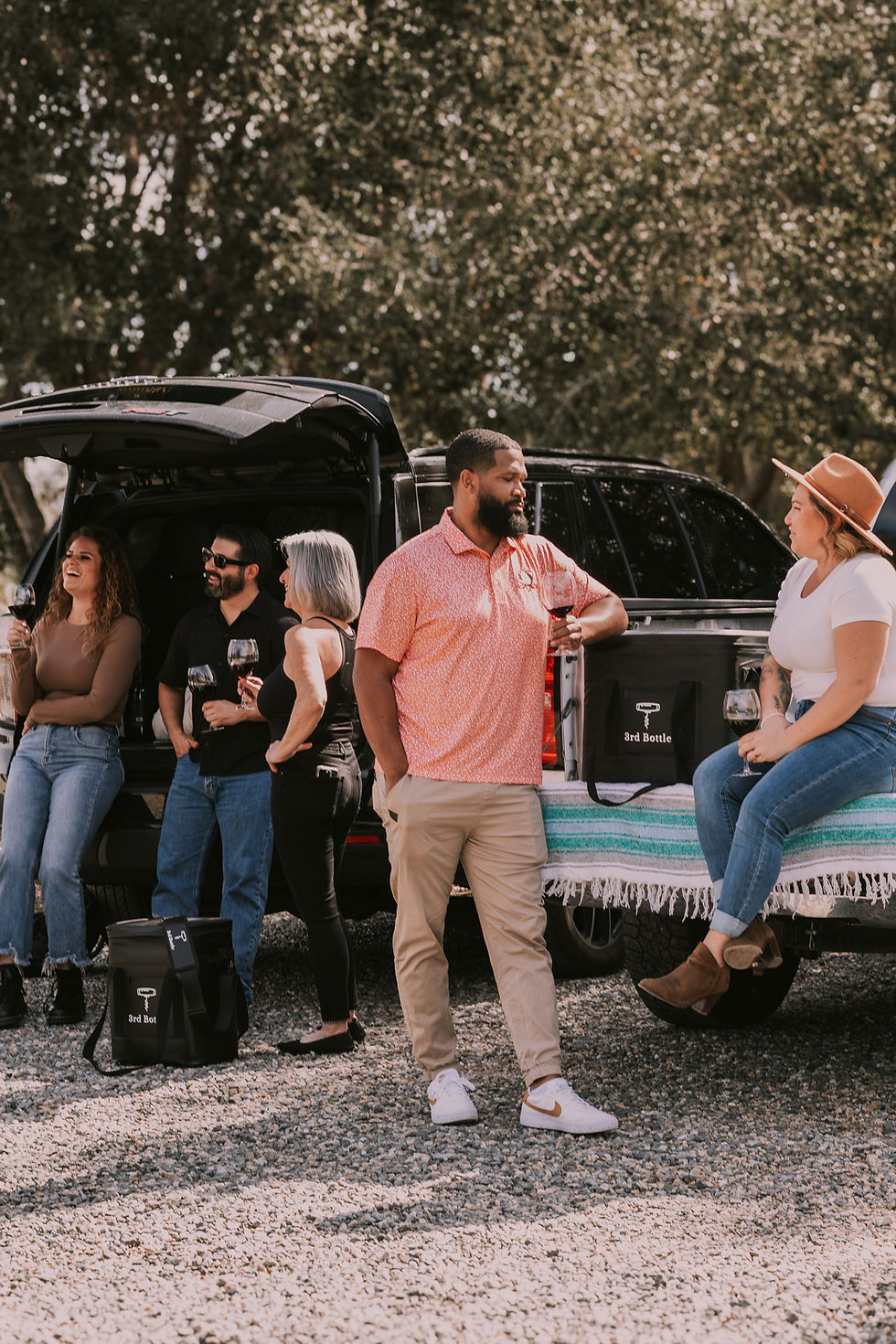
3rd Bottle was designed around this principle: Cellar Protection. Everywhere. Its insulated wine transport systems use patent-pending interlocking ice packs to form a structured cooling chamber around each bottle, helping reduce heat exposure without treating wine like an afterthought.
Pack the Picnic With Temperature in Mind
A good bag performs best when the rest of the picnic is packed with equal intention. Keep the wine separate from foods that may leak or require frequent access. Place the carrier upright in the coolest part of the vehicle, ideally inside the cabin rather than in a hot trunk. Once you arrive, keep it in shade and avoid leaving it on dark pavement, sand, or a metal dock.
Serving temperature is also worth considering. A crisp Sauvignon Blanc, dry rosé, or traditional-method sparkling wine benefits from being kept properly chilled. For lighter reds, a slightly cool serving temperature can make the fruit feel more vivid and the structure more balanced. If a red has been sitting in summer warmth, do not assume room temperature is the right destination. On a 90-degree day, room temperature is simply too warm for most wines.
Bring the right opener and a small cloth or napkin for condensation. These details are simple, but they prevent the familiar picnic moment when a beautiful bottle is ready and no one can open it cleanly. If glass is not allowed at your venue, confirm the rules before packing. A great carrier cannot solve a park policy.
The Trade-Off Between Style and Performance
There is nothing wrong with choosing a wine bag that looks refined. Picnic gear becomes part of the setting, especially when you are hosting friends or bringing wine to an outdoor dinner. But visual appeal should not be the only standard.
The trade-off usually comes down to weight, capacity, and cooling performance. More insulation and structured ice packs can add weight, yet they offer more protection during hot or extended travel. A lighter tote may be easier to carry for a short walk, but it may offer little defense against an hour in the sun. Consider the conditions that are hardest on your wine, not only the easiest outing on your calendar.
For many wine lovers, the most satisfying choice is one that feels elevated without being precious: a carrier that belongs at a winery, a tailgate, or a polished backyard gathering, while doing the quiet work of protecting the bottle inside.
The next time you pack a picnic, give the wine the same care you give the menu. When the blanket is spread, the glasses are poured, and the first sip tastes exactly as it should, the bag that got it there has done its job.
Jeanine is a California-based jet-setting entrepreneur with a passion for wine, travel, family, and fun. A retired Sergeant (LASD) and newly retired flight attendant (Skywest) swapped her wings for a passport full of winery stamps! She blends her love for discovering hidden gem wineries from California to Europe! She brings a vibrant, down-to-earth perspective to everything she touches.


Comments